Unveiling Horror: Creative Writing Insights and Inspirations

Horror is a genre that taps into our deepest fears and anxieties. It invites readers to confront the unknown, the uncanny, and the terrifying. For writers, crafting a compelling horror story requires not only a vivid imagination but also a keen understanding of what makes fear resonate. In this post, we will explore various insights and inspirations for writing horror, providing you with practical tips and examples to enhance your storytelling skills.

Understanding the Essence of Horror
At its core, horror is about evoking fear. But what exactly makes something frightening? Here are some key elements that contribute to the essence of horror:
Fear of the Unknown: The uncertainty surrounding what might happen next can be more terrifying than the horror itself. Think of classic horror films where the monster is only partially revealed, leaving much to the imagination.
Isolation: Characters who are cut off from help or companionship often face greater dangers. This isolation heightens tension and creates a sense of vulnerability.
Psychological Tension: Horror is not just about monsters and gore; it often delves into the psychological aspects of fear. Characters may grapple with their own minds, leading to a more profound sense of dread.
Subversion of Normalcy: When everyday life is disrupted by something horrific, it creates a jarring contrast that can be deeply unsettling. This can be as simple as a familiar setting becoming a place of terror.
Finding Inspiration in Everyday Life
Writers often find inspiration in the world around them. Here are some practical ways to spark your creativity:
Observe Your Surroundings
Take a walk in your neighborhood or a nearby park. Pay attention to the details that might go unnoticed. A seemingly innocent playground can become a site of horror when viewed through a different lens.
Use Personal Experiences
Draw from your own fears and anxieties. What scares you? Whether it's a fear of heights, darkness, or abandonment, these personal experiences can serve as a foundation for your horror stories.
Explore Folklore and Mythology
Many horror stories are rooted in folklore and mythology. Research local legends or ancient myths that resonate with you. These tales often contain rich symbolism and themes that can inspire your writing.
Crafting Compelling Characters
Characters are the heart of any story, and in horror, they play a crucial role in conveying fear. Here are some tips for creating memorable horror characters:
Flawed Protagonists
Characters with flaws or vulnerabilities are often more relatable. Their struggles can mirror the fears of the audience, making the horror feel more personal. For example, a character battling addiction may face both internal and external horrors.
The Unreliable Narrator
An unreliable narrator can create a sense of confusion and tension. Readers may question what is real and what is imagined, heightening the horror. This technique is effectively used in works like "The Turn of the Screw" by Henry James.
Antagonists with Depth
A compelling antagonist can elevate your horror story. Instead of a one-dimensional villain, consider giving your antagonist a backstory that explains their motivations. This complexity can make them more frightening.
Building Atmosphere and Setting
The setting of your horror story can significantly impact its effectiveness. Here are some strategies for creating a chilling atmosphere:
Use Descriptive Language
Vivid descriptions can transport readers into your world. Instead of simply stating that a room is dark, describe the oppressive shadows and the musty smell that fills the air.
Play with Sound and Silence
Sound can enhance the horror experience. Consider incorporating eerie noises, such as creaking floorboards or distant whispers. Conversely, moments of silence can create tension, making readers anticipate what might happen next.
Create a Sense of Place
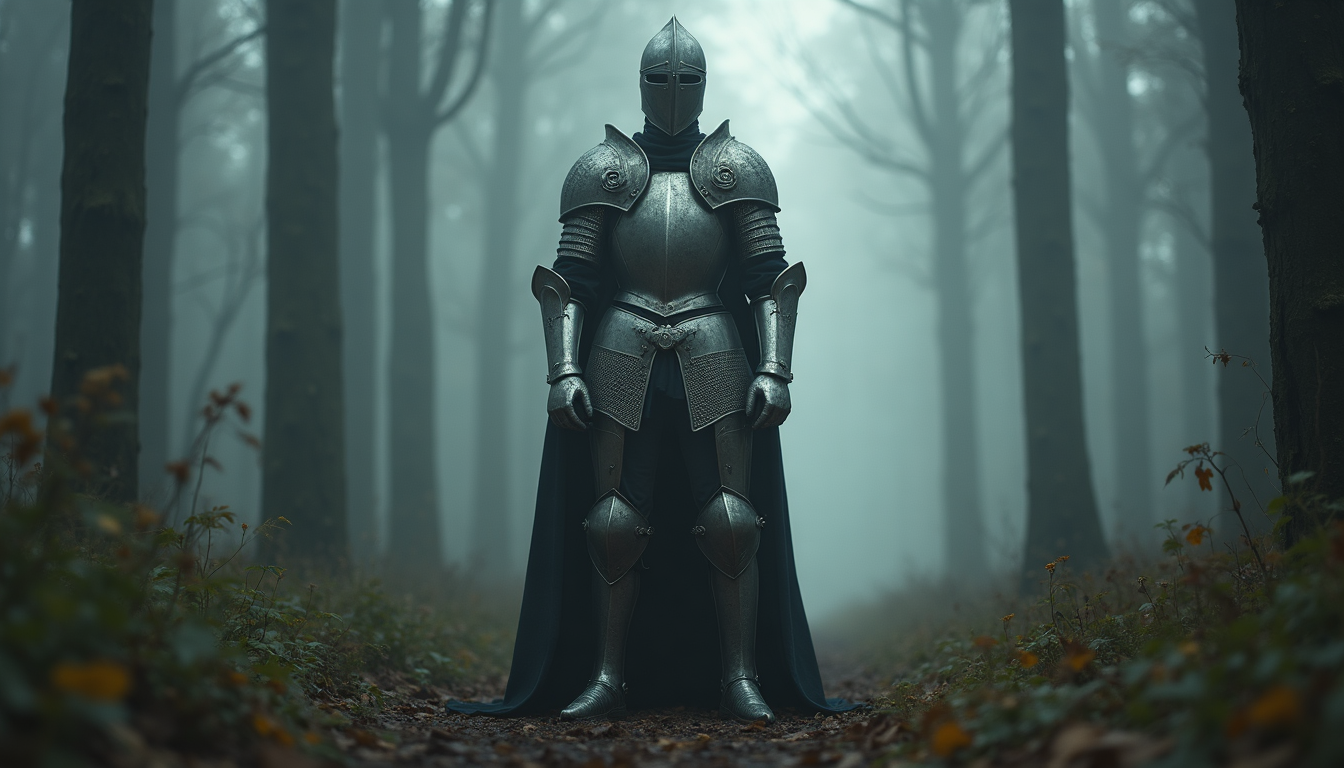
Settings that feel alive can add depth to your story. Whether it's a haunted house, a desolate forest, or an abandoned asylum, ensure that the location plays a role in the narrative.
Techniques for Building Suspense
Suspense is a vital component of horror writing. Here are some techniques to keep your readers on the edge of their seats:
Foreshadowing
Subtle hints about future events can create anticipation. Use foreshadowing to suggest that something terrible is about to happen, but don’t reveal too much too soon.
Pacing
Control the pacing of your story to build tension. Slow down during moments of suspense, allowing readers to feel the weight of the situation. Then, unleash the horror with sudden, shocking moments.
Cliffhangers
Ending chapters or sections with cliffhangers can keep readers engaged. They will be eager to turn the page and discover what happens next.
The Role of Themes in Horror
Themes can add depth to your horror story, making it resonate on a more profound level. Here are some common themes in horror writing:
Fear of the Unknown
This theme is prevalent in many horror stories. It explores the anxiety that arises from uncertainty and the inability to control one’s fate.
Isolation and Loneliness
Isolation can amplify fear. Characters who are physically or emotionally isolated often face greater horrors, reflecting the human experience of loneliness.
The Duality of Human Nature
Many horror stories explore the darker aspects of humanity. This theme can delve into the conflict between good and evil within individuals, creating complex characters and moral dilemmas.
Writing Exercises to Spark Creativity
If you're struggling to find inspiration, try these writing exercises:
Free Writing
Set a timer for 10 minutes and write without stopping. Let your thoughts flow freely, focusing on horror-related themes or scenarios. This exercise can help you overcome writer's block.
Character Development
Create a character profile for your protagonist and antagonist. Include their fears, desires, and backstories. This exercise can help you understand their motivations and how they might react in a horror scenario.
Scene Building
Choose a setting and write a scene that evokes fear. Focus on sensory details, atmosphere, and character reactions. This exercise can help you hone your descriptive writing skills.
Conclusion
Writing horror is an art that requires a deep understanding of fear, character development, and atmosphere. By exploring the elements of horror, finding inspiration in everyday life, and honing your writing techniques, you can create compelling stories that resonate with readers. Remember, the key to effective horror lies in tapping into the primal fears that connect us all. So, embrace your creativity, and let your imagination run wild as you unveil the horror within your writing.
Comentários